
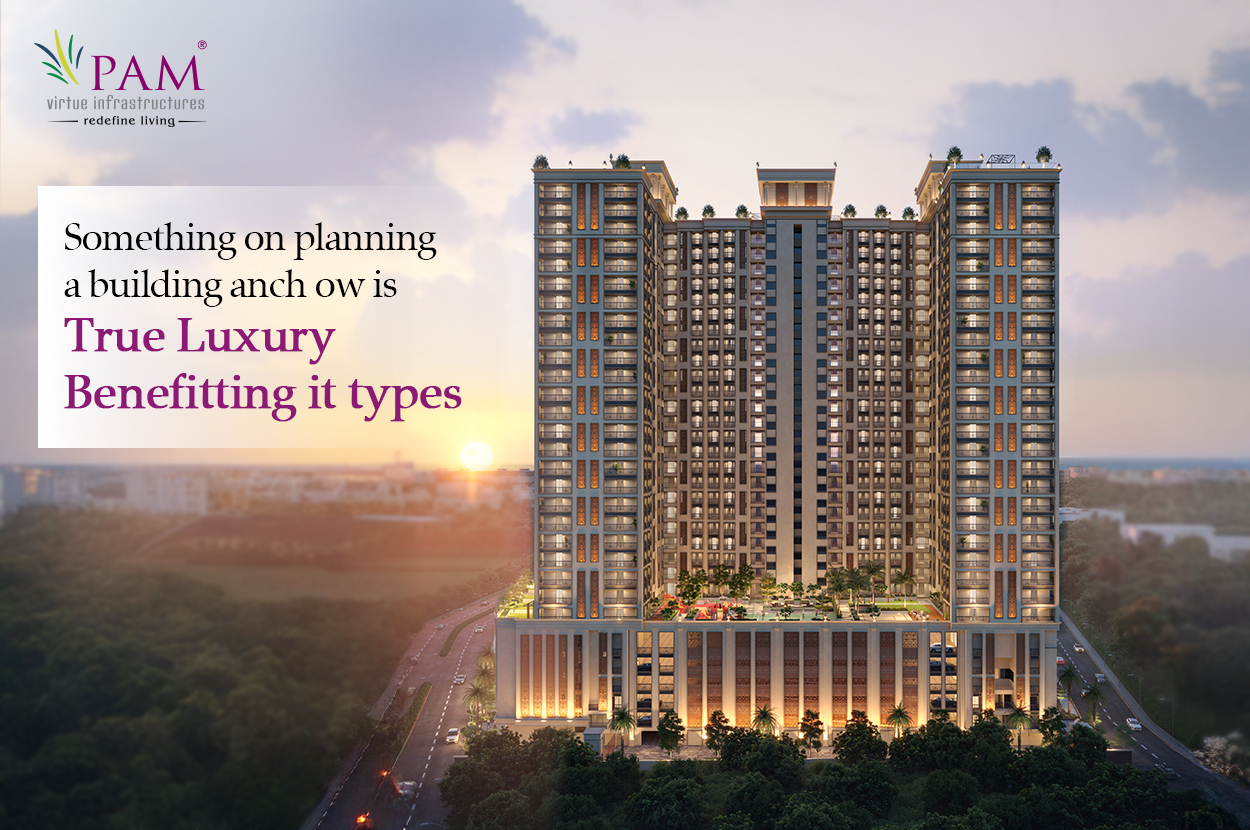
Luxury in real estate is often associated with grand entrances, premium finishes, large spaces, and impressive amenities. But true luxury goes beyond appearances. It begins much earlier with thoughtful building planning.
A well-planned building creates comfort, functionality, privacy, safety, natural light, ventilation, and efficient use of space. When these elements come together, a property becomes more than just a structure; it becomes a thoughtfully designed environment that supports a better lifestyle.
For developers such as Pam Infrastructure, this approach to planning plays an important role in creating residential spaces that combine modern living with long-term value.
What Is True Luxury in Building Planning?
True luxury is not simply about adding expensive materials or elaborate features. It is about designing a building around the needs of the people who will use it.
A genuinely luxurious residential building should offer:
- Efficiently planned layouts
- Spacious and functional rooms
- Natural light and ventilation
- Privacy between living spaces
- Convenient movement within the property
- Well-planned amenities
- Safety and security
- Sustainable design elements
- Quality construction
- Long-term usability and value
A building can have premium marble and designer fittings, but if its rooms are poorly planned, ventilation is inadequate, or residents lack privacy, the luxury experience is incomplete.
Why Building Planning Matters
Building planning determines how efficiently every part of a property is used. From the orientation of the structure to the placement of windows, entrances, elevators, parking areas, recreational spaces, and common facilities, every decision contributes to the overall living experience.
Good planning can also reduce unnecessary movement, improve accessibility, maximise usable space, and create a better relationship between private and common areas.
For homebuyers, this means that the value of a property should not be judged only by its size or appearance. The quality of its planning can have an equally important impact on everyday comfort and long-term desirability.
1. Space Planning Creates Everyday Comfort
One of the first principles of luxury building planning is effective space utilisation.
A well-designed home should make every square foot purposeful. Bedrooms should provide adequate privacy, living areas should feel open, kitchens should have practical layouts, and balconies should complement the interior rather than feel like unused extensions.
Thoughtful space planning can make a moderately sized apartment feel significantly more comfortable.
For modern families, flexible spaces are becoming increasingly important. A room may need to function as a home office, study area, guest room, or children’s space at different times. Building planning should account for these changing lifestyle requirements.
2. Natural Light and Ventilation Are Essential
Luxury should also be experienced through the quality of the environment.
Natural light can make interiors feel more spacious and welcoming, while proper ventilation contributes to a healthier and more comfortable living environment.
Building orientation, window placement, balcony design, and distance between structures can influence the availability of daylight and airflow.
Instead of relying entirely on artificial lighting and mechanical ventilation, thoughtful planning can use natural elements wherever possible.
This is an example of how good design creates luxury without necessarily adding excessive cost.
3. Privacy Is an Important Element of Luxury
Privacy is often overlooked when people evaluate residential buildings.
A well-planned building should create an appropriate separation between private residences and common spaces. Apartment entrances, corridors, balconies, recreational areas, and service zones should be designed to minimise unnecessary disturbance.
For families, privacy becomes especially important in bedrooms and personal spaces.
Luxury therefore means having a home where residents can enjoy shared amenities while still maintaining their personal space.
4. Amenities Should Be Planned Around Lifestyle
Modern residential projects increasingly offer extensive amenities. However, the number of amenities alone does not determine whether a project feels luxurious.
The real value comes from how effectively those amenities are planned.
Fitness centres, swimming pools, landscaped gardens, children’s play areas, clubhouses, walking spaces, wellness zones, and community areas should be positioned conveniently and designed for practical use.
Instead of simply adding amenities to a brochure, developers need to consider how residents will actually use them.
This approach allows amenities to become an extension of the home’s living experience.
5. Safety Should Be Built Into the Planning
True luxury also means peace of mind.
Safety and security should be considered during the initial planning stage rather than treated as an afterthought. Controlled entry points, CCTV surveillance, adequate lighting, fire safety systems, emergency access, secure parking, and well-planned circulation areas can contribute to a safer residential environment.
A building should also provide clear movement routes for residents, visitors, and emergency services.
When safety is integrated into the design, residents can enjoy the property with greater confidence.
6. Sustainable Planning Adds Long-Term Value
Sustainability is becoming an increasingly important part of modern building design.
Features such as efficient water management, rainwater harvesting, energy-efficient lighting, natural ventilation, landscaping, waste management, and responsible material selection can improve the environmental performance of a project.
Sustainable planning can also contribute to lower operating costs over time.
For homebuyers, this means that environmentally responsible design can provide both lifestyle and financial benefits.
7. Building Planning Can Influence Property Value
Good planning does not only improve the present living experience. It can also contribute to the long-term desirability of a property.
Properties with efficient layouts, good connectivity within the development, quality amenities, attractive common areas, and strong construction standards can remain appealing to future buyers.
This becomes particularly relevant in growing markets such as Vasai West, where infrastructure improvements and increasing residential demand are supporting the region’s real estate growth. Pam Infrastructure’s market-focused approach reflects the importance of combining location, design, amenities, and long-term residential value.
If you are evaluating the long-term potential of the market, understanding the property appreciation rate in Vasai West can provide additional context when comparing residential investment opportunities.
8. Different Types of Building Planning for Different Needs
There is no single approach to building planning. The right design depends on the purpose, location, occupants, and development type.
Residential Building Planning
Residential planning focuses on comfortable homes, privacy, natural light, ventilation, parking, security, and lifestyle amenities.
Commercial Building Planning
Commercial buildings require efficient circulation, accessibility, workspaces, meeting areas, service zones, parking, and facilities that support business operations.
Mixed-Use Building Planning
Mixed-use developments combine residential, commercial, retail, and recreational components. Their planning must carefully separate different user groups while maintaining convenient access.
Luxury Residential Planning
Luxury residential projects place greater emphasis on spacious layouts, premium amenities, privacy, landscaping, exclusive common areas, advanced security, and high-quality finishes.
Sustainable Building Planning
Sustainable buildings focus on energy efficiency, water conservation, natural resources, waste management, and environmentally responsible construction practices.
Each type requires a different planning strategy, but the fundamental principle remains the same: the building should be designed around how people will use it.
Pam Infrastructure: Planning for Modern Living
For Pam Infrastructure, thoughtful planning is an important part of developing residential spaces that meet contemporary homebuyer expectations.
The company’s projects focus on combining residential comfort with modern amenities, strategic locations, quality construction, and lifestyle-oriented design. Its presence in Vasai reflects the growing demand for homes that provide more than just basic accommodation.
In a developing residential market, buyers increasingly evaluate factors such as connectivity, amenities, construction quality, space efficiency, and future value before making a purchase. Pam Infrastructure’s focus on these aspects helps create homes designed for both present-day living and long-term relevance.
Is Thoughtful Planning a Good Investment?
Yes, because good planning can influence both usability and market appeal.
A thoughtfully designed property can offer:
- Better everyday functionality
- Greater resident satisfaction
- Improved use of available space
- Stronger lifestyle appeal
- Better potential resale demand
- Long-term usability
- Enhanced overall property value
However, buyers should consider several factors before investing, including location, developer credibility, project approvals, construction quality, amenities, connectivity, pricing, and future infrastructure.
For a broader understanding of Vasai’s investment potential, explore Is Vasai Good for Investment?, which covers affordability, connectivity, infrastructure development, residential demand, and appreciation potential in the region.
Conclusion
True luxury begins long before a building is completed. It begins with planning.
A luxurious building should not simply look impressive; it should function effortlessly. From natural light and ventilation to privacy, safety, space utilisation, amenities, and sustainability, every planning decision can influence the quality of life inside the development.
For modern homebuyers, the smartest approach is to look beyond surface-level luxury and evaluate what is actually built into the property’s design.
With thoughtful planning, quality construction, lifestyle-focused amenities, and attention to long-term value, developers such as Pam Infrastructure can create residential spaces where luxury is not just visible it is experienced every day.
Frequently Asked Questions
1. What makes building planning important?
Building planning determines how efficiently spaces, amenities, access points, ventilation, lighting, parking, and safety systems are organised. Good planning improves comfort, functionality, and long-term usability.
2. What is true luxury in real estate?
True luxury combines comfort, privacy, functionality, safety, quality construction, natural light, ventilation, thoughtfully designed amenities, and a strong overall living experience.
3. Does building planning affect property value?
Yes. Efficient layouts, quality amenities, good accessibility, attractive common spaces, and thoughtful design can improve a property’s desirability and potentially support its long-term market value.
4. What should buyers check in a well-planned residential project?
Buyers should evaluate the apartment layout, ventilation, natural lighting, privacy, amenities, parking, security, accessibility, construction quality, location, and developer reputation.
5. Why is Vasai attracting real estate investors?
Vasai is attracting homebuyers and investors because of its comparatively affordable housing, railway connectivity, infrastructure development, growing residential demand, and potential for long-term appreciation.
6. Why consider Pam Infrastructure?
Pam Infrastructure focuses on residential developments that combine modern design, amenities, strategic locations, quality construction, and long-term value, making thoughtful planning an important part of its development approach.